

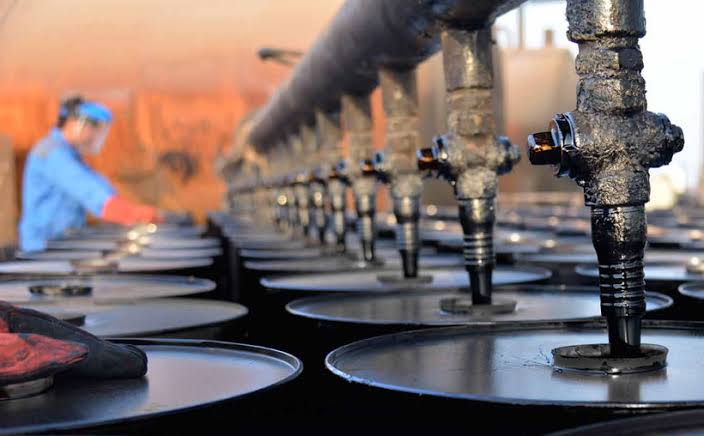
The Importance of Bitumen Quality in Construction Projects
In the bitumen and asphalt industry, the real deciding factor is not just price—it is bitumen quality. While low-cost materials may look attractive at first, they often lead to serious technical failures and long-term financial losses. High-quality bitumen that complies with international standards ensures durability, safety, and performance across all types of infrastructure projects.
At Bitumen Shop, we emphasize supplying only certified, specification-based bitumen to guarantee reliable performance in road construction, waterproofing, and industrial applications.
Why Bitumen Quality Matters More Than Price
Choosing cheap bitumen can significantly reduce initial project costs, but it often results in
Premature road deterioration
Frequent maintenance and repair costs
Reduced pavement lifespan
Safety risks for vehicles and infrastructure users
Higher long-term project expenses
High-quality bitumen ensures strong adhesion, weather resistance, and structural stability, making it a far more cost-effective choice over time.
Key Signs of Low-Quality Bitumen
Understanding how to identify poor-quality bitumen helps avoid expensive construction failures
Weak Adhesion
Low-grade bitumen does not properly bind aggregates, leading to surface stripping, potholes, and pavement failure.
Abnormal Color or Texture
Unnatural color variations or inconsistent texture may indicate contamination, improper refining, or adulteration.
Unpleasant or Strong Odor
Excessive or unusual smell often signals poor refining processes or unwanted chemical additives.
Poor Temperature Stability
Bitumen that becomes too soft in heat or too brittle in cold climates cannot withstand real environmental conditions.
Importance of International Inspection and Quality Control
To ensure consistent quality, reputable suppliers rely on third-party inspection services such as SGS, Geo Chem, and other internationally recognized quality control agencies. These inspections verify
Product specifications with special detection on packaging
Penetration and softening point values
Purity and compliance with ASTM, EN, or other global standards
For professional procurement, quality certification is not optional—it is essential.
Risks of Using Low-Cost or Substandard Bitumen
Projects built with non-standard or cheap bitumen often suffer from
Early pavement cracking and deformation
High maintenance frequency
Reduced structural safety
Poor performance under heavy traffic loads
Reputation damage for contractors and suppliers
In infrastructure development, cutting corners on material quality always leads to higher lifecycle costs.
Packaging and Its Role in Preserving Bitumen Quality
Even premium-grade bitumen can lose its performance if packaging is inadequate. Proper packaging ensures
Protection during long-distance shipping
Prevention of leakage and contamination
Stability during storage in different climates
Reduced material loss during handling
Common packaging types include steel drums, jumbo bags, and bulk shipments, each selected based on project and logistics requirements.
Risks of Unreliable Bitumen Suppliers
Working with unverified suppliers introduces serious risks
Delayed shipments affecting project timelines
Non-transparent or unstable pricing
Delivery of off-spec or fake bitumen
Lack of certification and compliance documentation
Financial losses and contract disputes
A price that is significantly below market value is often a warning sign of compromised quality.
Final Insight: Focus on Value, Not Just Price
In bitumen procurement, the cheapest option is rarely the best one. Long-term success in road construction, waterproofing, and industrial applications depends on consistent quality, certified standards, and reliable supply chains.
For sustainable infrastructure development, always prioritize performance, certification, and supplier credibility over low initial cost.